Health & Safety Library
Fire Prevention
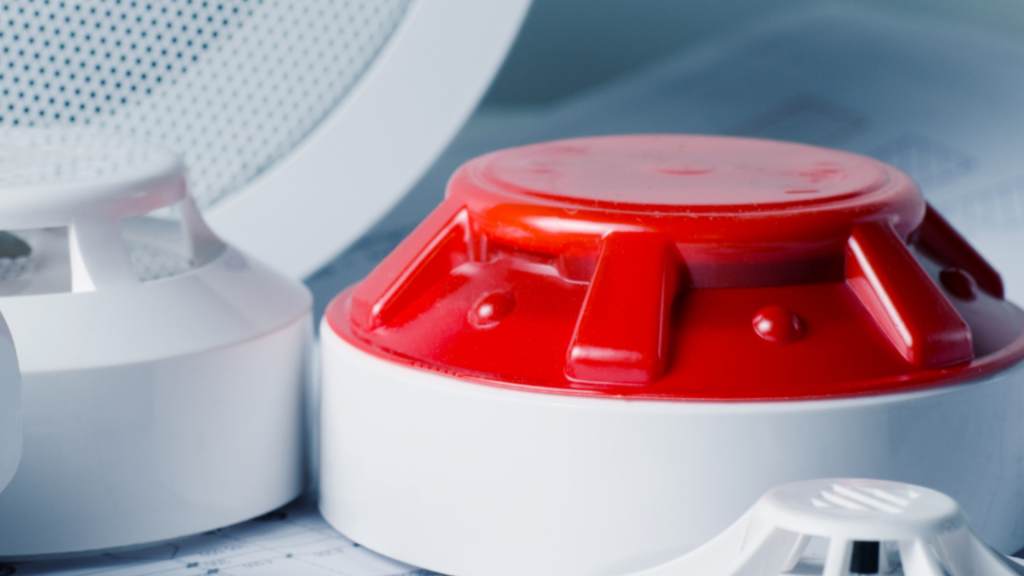
Fire prevention is crucial for ensuring safety in homes, workplaces, and public spaces. By understanding fire risks and implementing preventive measures.
Electrical Safety
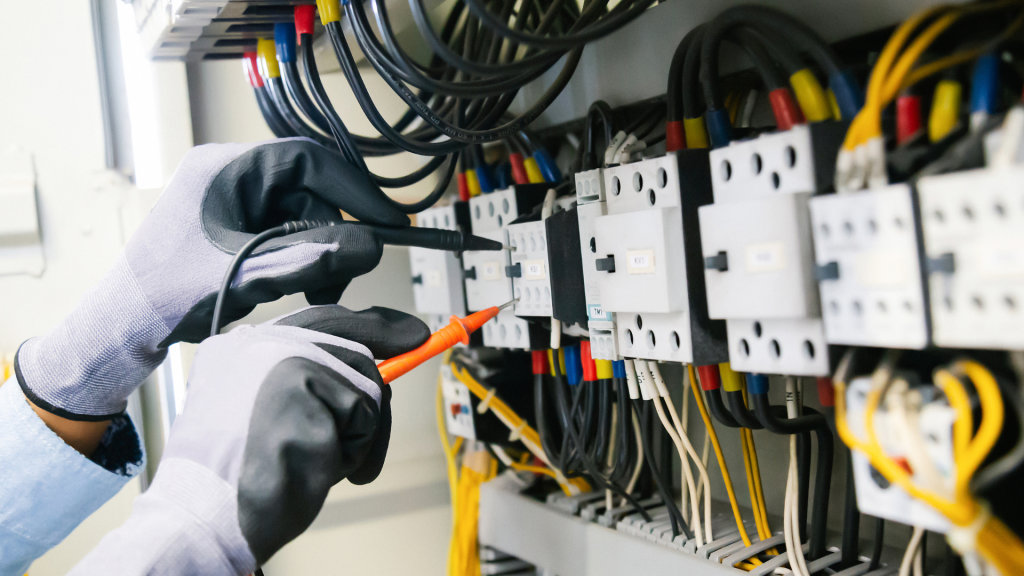
Electricity is part of our lives. We use it from the moment we wake up and throughout the day. As a result, we sometimes forget how powerful and dangerous it can be.
Slips, Trips & Falls
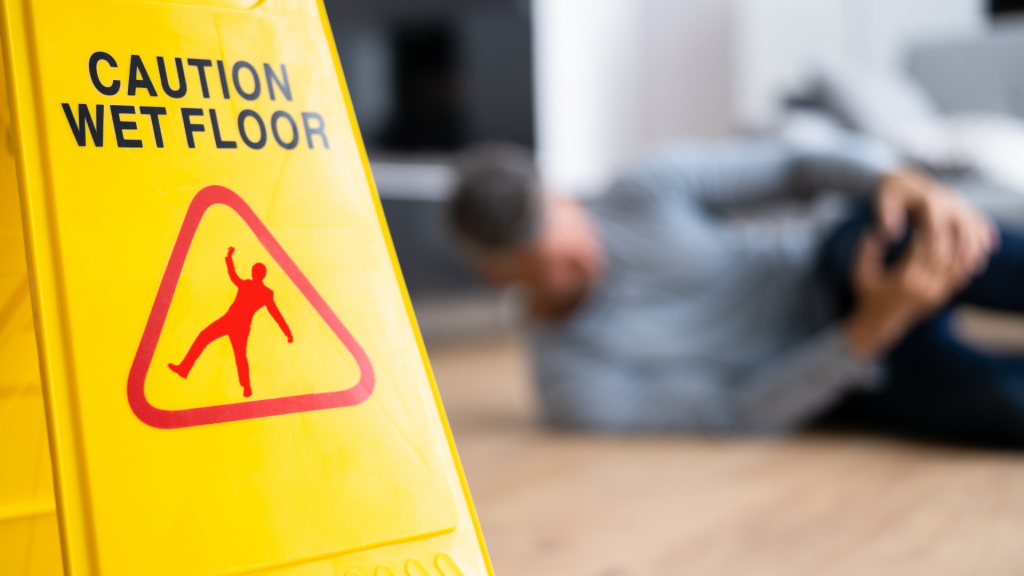
Slips, trips, and falls are among the most common hazards in the workplace. They put many workers at risk of sprains, strains, cuts, bruises, fractures, and other injuries. At worst, they can also lead to death, especially in high-risk occupations such as construction. However, with adequate training and safety practices, companies can keep their personnel safe from these hazards.
Hazard Awareness
Being aware of hazards within your home is the first step to preventing them. Some of the most common hazards at home include fire, poisoning and allergies. There may also be risks posed by your home’s contents, such as falls, choking, cuts and burns. This is not an exhaustive list, so you may find it useful to do your own research and conduct a risk assessment of your home.
Legionnaires' Disease
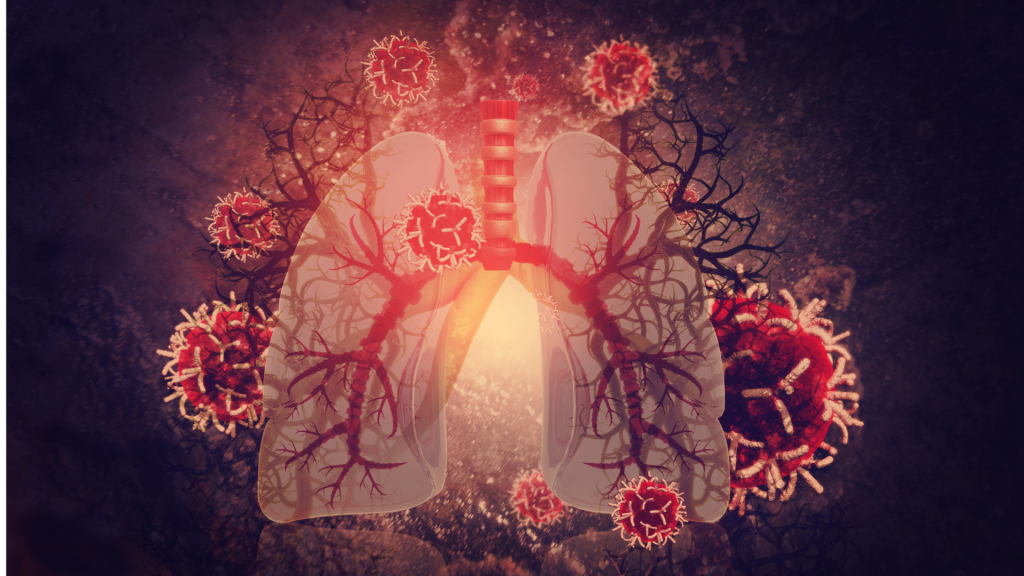
Legionnaires' disease is a lung infection you can get from inhaling droplets of water from things like air conditioning or hot tubs. It's uncommon but it can be very serious. You can get Legionnaires' disease if you breathe in tiny droplets of water containing bacteria that cause the infection. It's usually caught in places like hotels, hospitals or offices where the bacteria have got into the water supply. It's less common to catch it at home.
Be Battery Aware

Batteries and items containing batteries should not go in any of your bins at home. Old batteries may seem ‘dead’ but they can still cause fires during the bin collection or waste sorting process. With the rising e-waste streams, hidden batteries are found in many items in daily life including laptops, mobile phones, electric toys, Bluetooth devices, shavers, electric toothbrushes, power bank chargers, vapes and more.
Asbestos
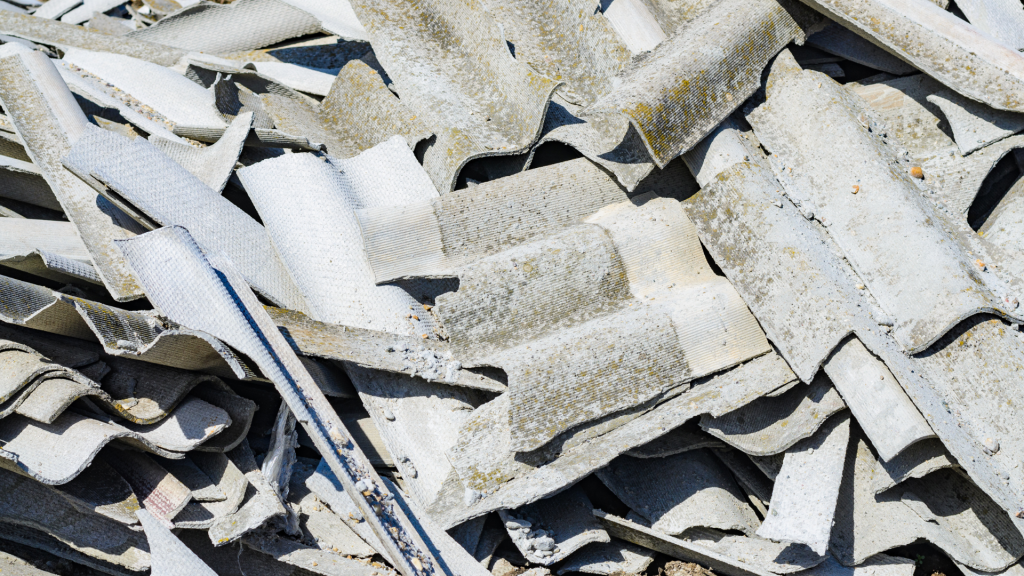
Asbestos is a general name given to several naturally occurring fibrous minerals that have crystallised to form fibres. Asbestos fibres do not dissolve in water or evaporate, they are resistant to heat, fire, chemical and biological degradation and are mechanically strong.
First Aid
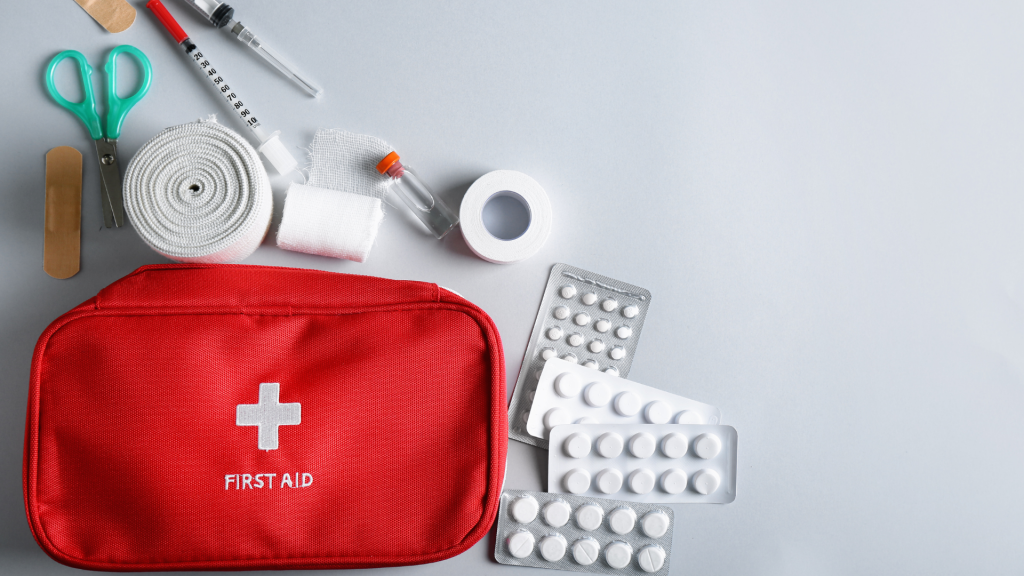
Every year in the UK, thousands of people die or are seriously injured in incidents. Many deaths could be prevented if first aid was given before emergency services arrive.
Smoking & Fire Safety
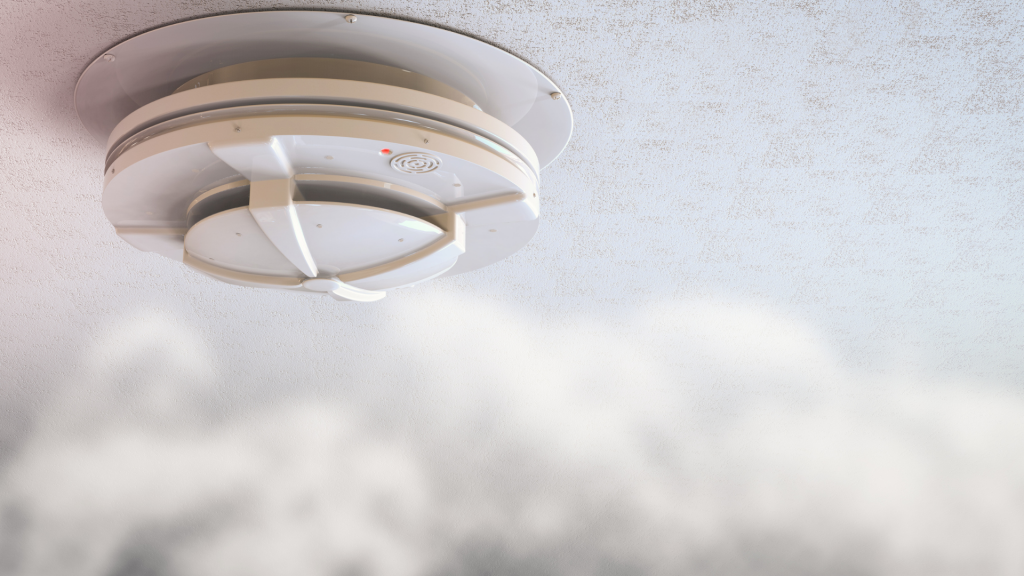
Smoking is one of the leading causes of fire-related deaths, and the health risks are well-known. If you smoke and find it hard to quit, you can stay safer by learning how to reduce fire risk for smokers below. You can also help loved ones who smoke by sharing the information.
Register for updates
Being the first to know in the property industry is a big advantage. Receive new launch updates, brochures, guides, and free tools.
By creating an account you agree to our terms & conditions.